
Why the Lough Derg Way Works for You
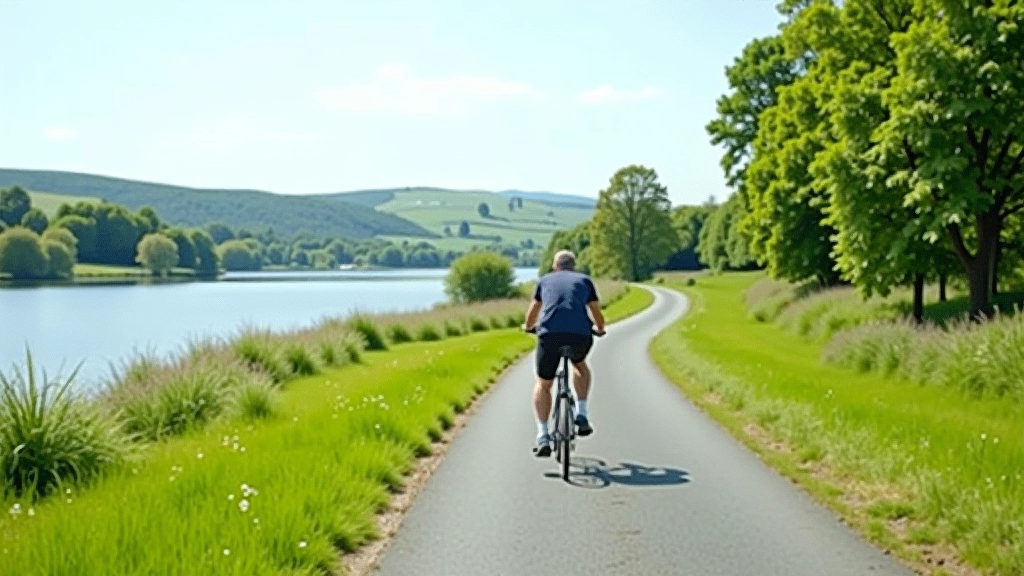
The Lough Derg Way from Ballina to Killaloe isn't your typical cycling challenge. This 63-kilometer loop is flat, scenic, and manageable. You're not climbing mountains or pushing through technical terrain. It's a ride where you can actually enjoy the countryside instead of fighting the bike the whole way.
The route hugs the shoreline of one of Ireland's largest lakes. You'll pass through small villages, quiet country roads, and forest paths. Most riders complete it over two days, but you can break it into shorter sections. The beauty is that it works on your schedule, not the other way around.
Getting Your Bike Ready
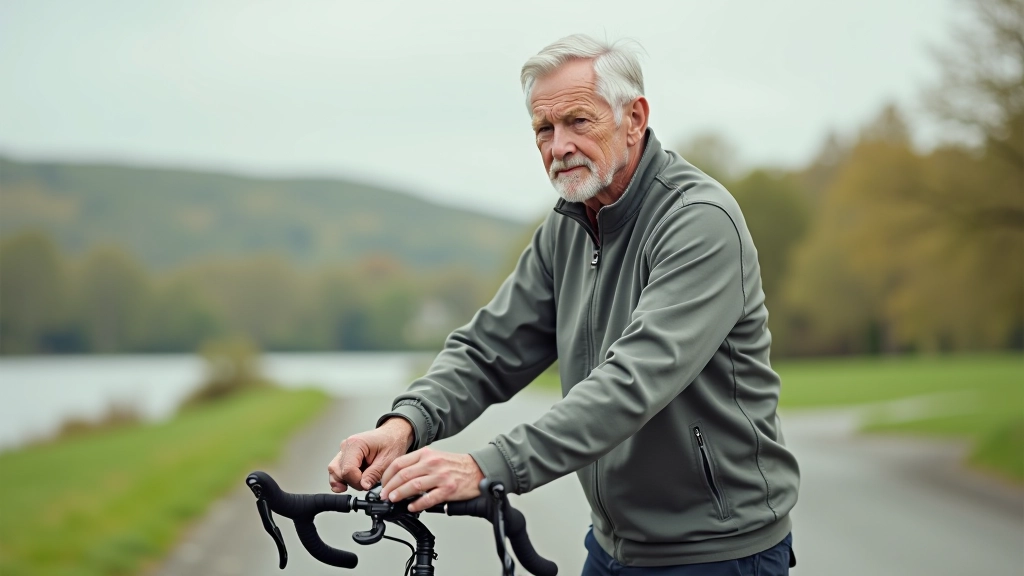
You don't need a fancy racing bike. A hybrid or touring bike works perfectly. What matters is that your bike fits you properly. Spend time on seat height — your leg should have a slight bend at the bottom of each pedal stroke. If you're not sure, ask at your local bike shop. They'll adjust it for you.
Check your tires before you go. They should be firm but not rock hard. Grab the tire with your thumb and finger — there should be a little give. Under-inflated tires make pedaling harder. Over-inflated ones bounce around on bumpy sections.
What to Bring Along
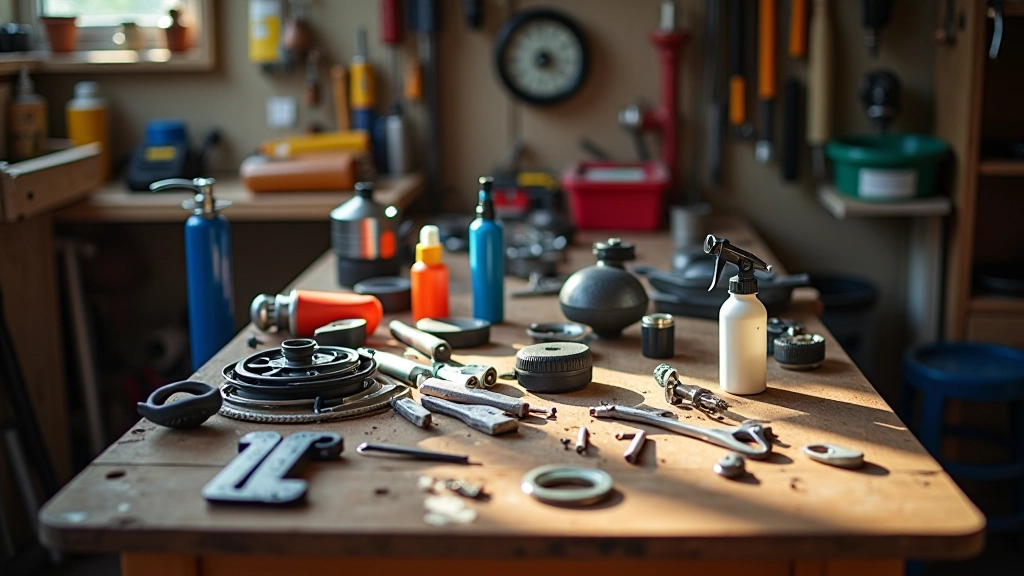
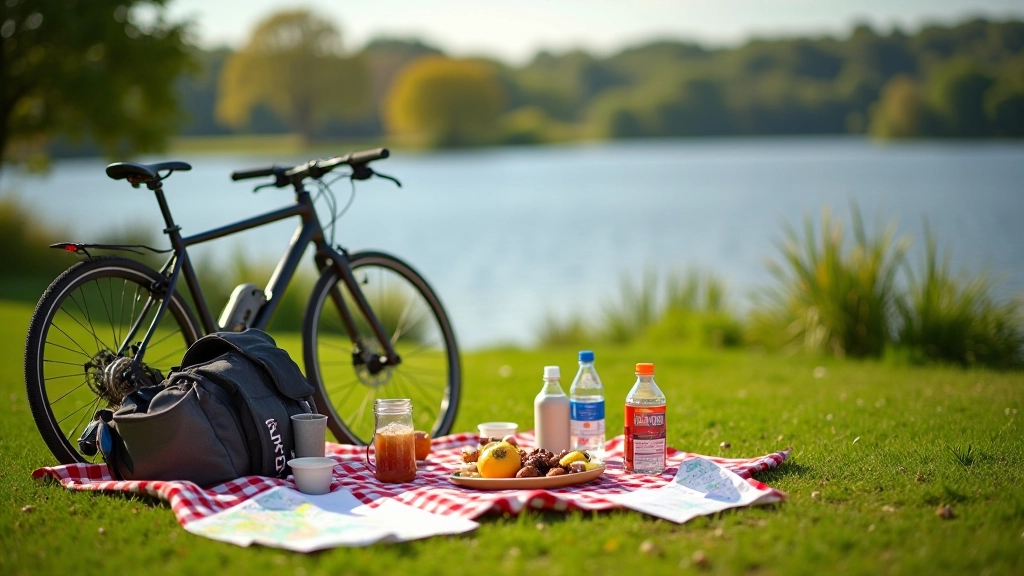
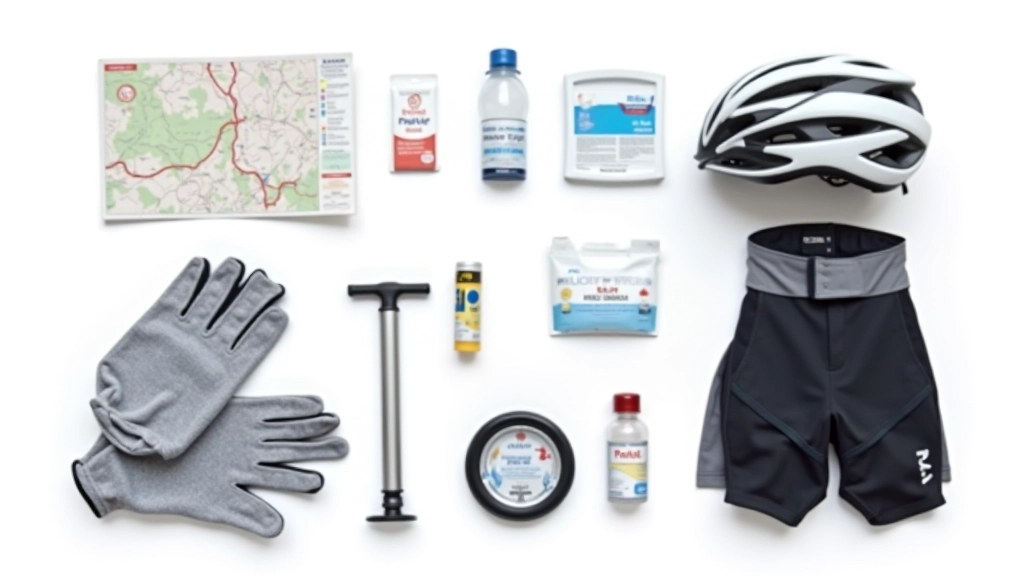
Pack light but smart. You'll want water — at least a liter in a bottle or hydration pack. Dehydration sneaks up on you faster than you'd think. Bring a basic repair kit: tire levers, a patch kit, and a pump. You might never need them, but having them means you're not stuck on the side of the road.
A small first-aid kit makes sense. Plasters, antiseptic wipes, and pain relief tablets take almost no space. Wear padded cycling shorts or an underlay. Your backside will thank you on kilometer twenty. A light jacket stuffs into your bag — the weather changes fast near the water.
Understanding the Terrain
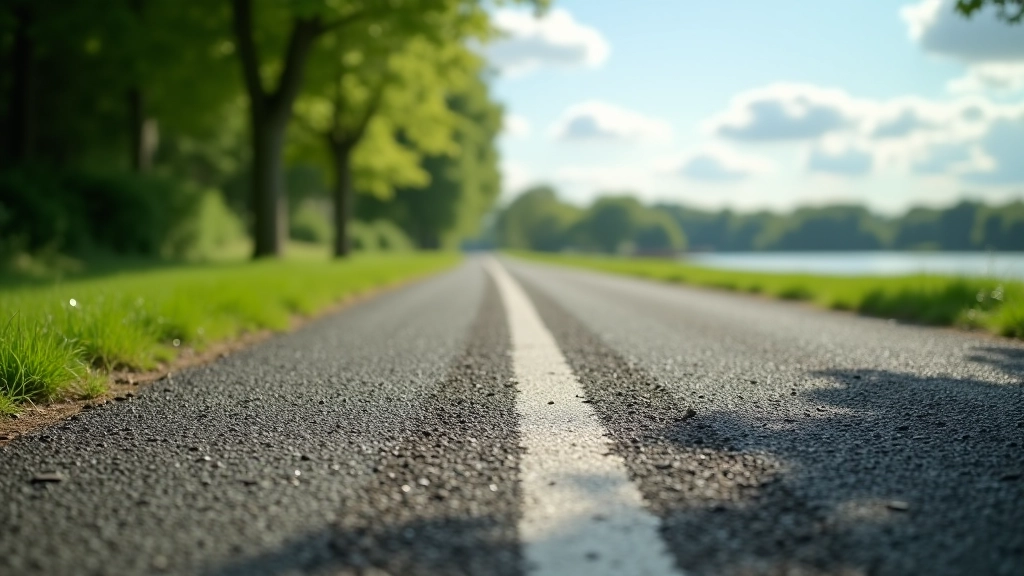
The route's biggest strength is how flat it stays. There are no serious climbs. The elevation change across the entire loop is minimal — you're mostly staying at lake level or slightly above it. Some sections are smooth asphalt. Others are packed gravel or forest paths. All of it's rideable on a standard bike.
Expect the terrain to change throughout the day. Morning sections might be solid pavement. By afternoon you're on gravel alongside the water. None of it's treacherous. Just pay attention to loose stones after rain — they shift under your wheels. That's when your brakes become important.
Setting a Realistic Pace
Don't race this route. Seriously. The whole point is to ride at your own speed and soak in the scenery. Most riders average 15-18 kilometers per hour including breaks. That's not fast, but it's steady. If you're riding 63 kilometers over two days, you're looking at roughly 30 kilometers per day. That breaks down to about two hours of actual riding time with stops included.
Pro tip: Start early in the morning when you're fresh. Stop for lunch around midday. You'll cover most of your distance before afternoon fatigue sets in. Ride into town before dinner so you're not cycling in fading light.
Your first time out, you might feel slower than expected. That's normal. You're adjusting to the bike, the terrain, and the distance. By day two, your body settles in. You'll find a rhythm that feels comfortable rather than rushed.
Your Next Steps
You've got the basics now. Your bike's sorted, you know what to bring, and you understand what the terrain actually looks like. The rest is just getting out there and doing it. Don't overthink it. Thousands of riders have completed the Lough Derg Way without fancy training plans or expensive gear. They just showed up with a working bike and the willingness to pedal for a couple of hours each day.
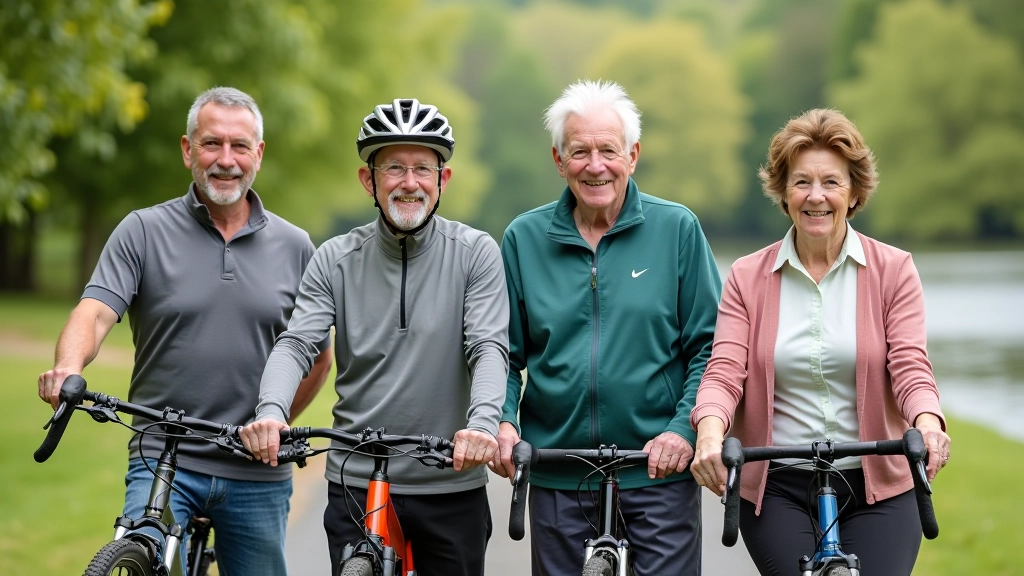
Start with the flatter sections if you're nervous. Build your confidence. Chat with other riders you meet along the way — they've all been beginners too. The cycling community is genuinely friendly. You'll likely make friends during your ride.
Important Disclaimer
This article provides general information about preparing for a ride on the Lough Derg Way. It's not a substitute for professional cycling instruction, mechanical advice from qualified bike technicians, or medical guidance. Before undertaking any long-distance cycling, especially if you have health concerns, consult with your doctor or a healthcare professional. Always wear appropriate safety gear including a helmet. Weather conditions, route conditions, and personal fitness vary — plan accordingly and ride within your comfort level.