
Bike Maintenance for Older Cyclists
Simple checks and basic repairs you can do yourself. Keeps your bike safe and saves you money on servicing.
Why Maintain Your Bike?
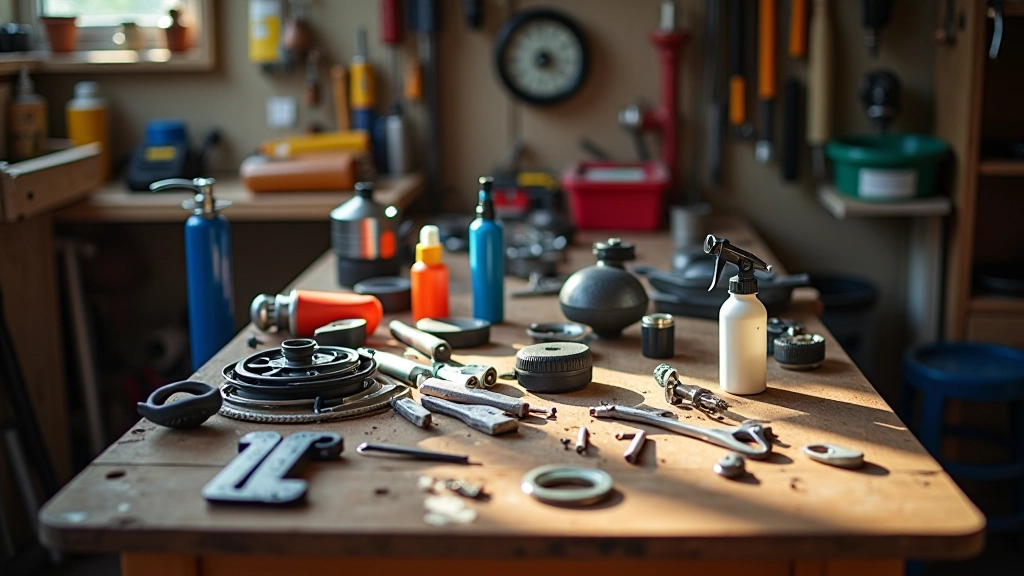
You don't need to be a mechanic to keep your bike in good shape. Regular maintenance catches small problems before they become expensive ones. It's about spending 20 minutes every month to avoid bigger headaches later.
Most of the checks we'll cover take less than an hour total. You'll use tools you probably already have at home — or can pick up cheaply. The payoff? A bike that feels safer, rides smoother, and lasts much longer.
The Basics
- Check tyres and brakes monthly
- Clean and oil your chain every 3-4 weeks
- Test gears and shifters before each ride
- Look for rust, loose bolts, or worn parts
Tyres: Your First Priority
Your tyres are where your bike meets the road. Check them every ride — they're your safety foundation. Look for proper pressure first. Grab your pump and see what pressure your tyres need. You'll find this written on the tyre sidewall, usually between 50-70 PSI for older, wider tyres used on casual rides.
Underinflated tyres make pedalling harder and wear out faster. Overinflated ones feel harsh and can puncture easier. Once a week, give each tyre a squeeze with your hand. They should feel firm, not rock hard and not squishy. If you're not sure, use a pressure gauge — they're cheap and reliable.
Look for damage too. Spin the wheel and check for cuts, thorns, or bulges. Small thorns you can pull out. Anything deeper needs a patch kit or a new tyre. Don't ignore lumps — that's the inner tube separating from the tyre, and it'll fail suddenly.
Brakes: Your Stopping Power
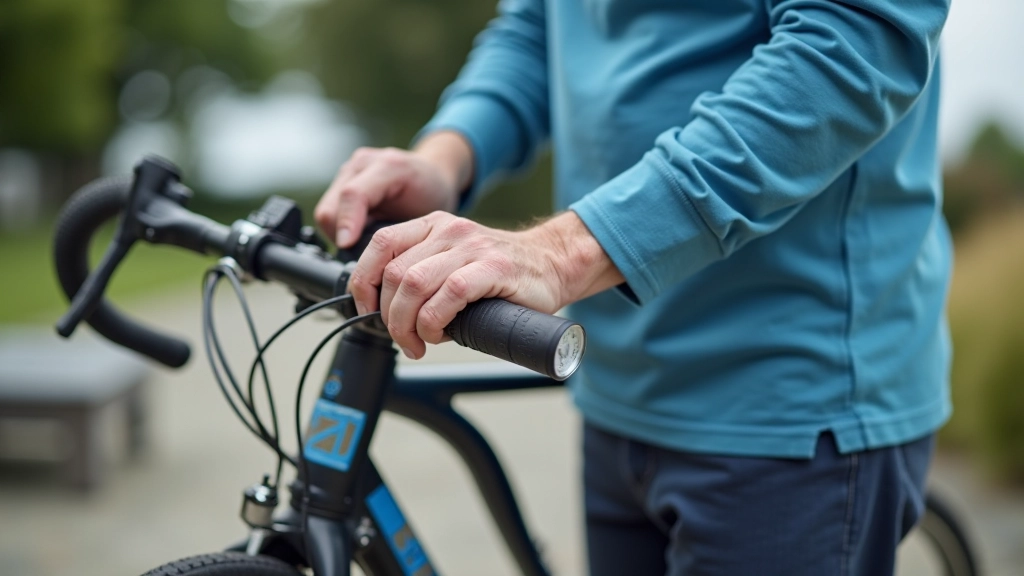
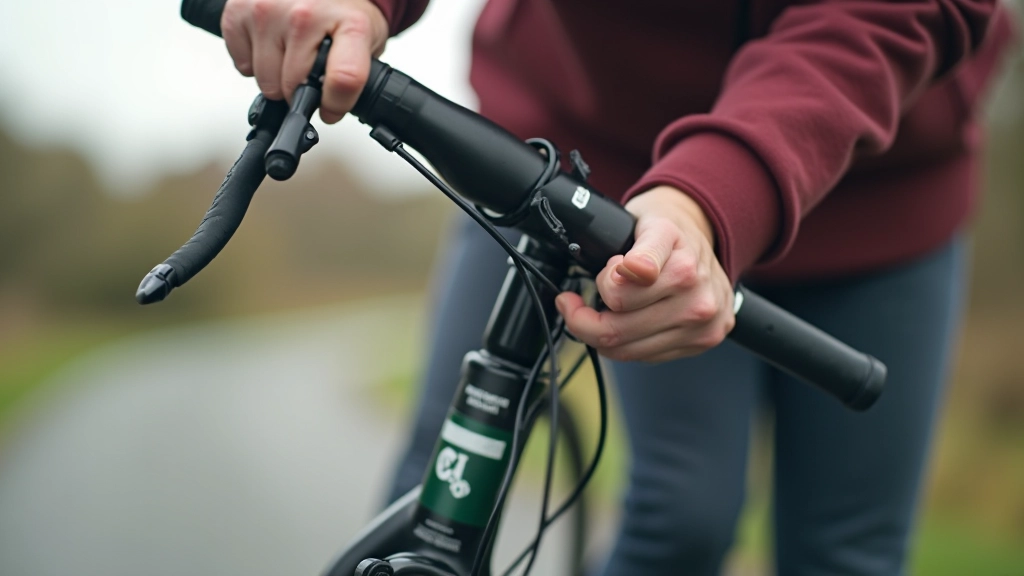
Good brakes aren't optional — they're essential. Test yours before every ride. Squeeze each brake lever firmly. Your brakes should engage smoothly without rubbing the rim or tyre. If the lever goes almost to the handlebar before stopping the wheel, your cables need tightening.
Look at your brake pads. They're the small rubber blocks that grip the rim. If they're thinner than 2-3mm, they're wearing out and need replacing soon. Worn pads don't grip as well and can damage your rims. You can buy replacement pads for £5-10 and swap them in 10 minutes.
Listen while braking too. Squeaking often means dirt on the pads. Rubbing or grinding sounds mean something's misaligned. If you're not confident adjusting brakes, that's a job for your local bike shop. It's worth the £20-30 to ride safely.
The Chain: Keeping Things Running Smooth
Your chain transfers power from pedals to wheels. A dirty, dry chain makes pedalling harder and wears out faster. Every 3-4 weeks, give it a clean and oil. You'll notice the difference immediately — smoother pedalling, quieter operation, less strain on your knees.
To clean, grab an old rag and wipe along the chain while spinning the pedals backward. Then apply a drop of chain oil to each link as you rotate the pedals. Don't soak it — one drop per link is plenty. Wipe off any excess so dirt doesn't stick to it. The whole job takes 5 minutes.
A well-maintained chain lasts 1,000-2,000 miles. Neglected ones wear out in months. You can check wear with a chain tool (£10-15), but honestly, if your chain feels sluggish or sounds gritty, it's time for cleaning and oil. That fixes 90% of chain problems without replacement.
Important Note
This article is for educational purposes about basic bike maintenance. If you're uncertain about any repair or notice significant damage, consult a qualified bicycle mechanic. Proper maintenance is important for safety — when in doubt, seek professional guidance. Always wear appropriate safety gear when cycling.
You've Got This
Bike maintenance sounds intimidating at first. But once you've done it a couple of times, you'll realise it's straightforward. Most problems you'll catch yourself before they become serious. You're building a skill that saves money and keeps you riding safely.
Start with tyres and brakes — the two most critical safety checks. Add chain maintenance to your routine. In a month you'll know your bike better than you ever did. You'll feel confident riding it, and you'll spot issues before they strand you on the road.
The best part? Once you've done these checks once, they become automatic. You'll be checking tyre pressure and listening to your brakes without thinking about it. That's the sign of a cyclist who's taking care of their machine.